
Sleep Disorder Treatment
Sleep Disorder Treatment in Burbank, CA
Struggling with sleep can feel like an invisible battle that impacts every aspect of your life. From physical health to emotional well-being, sleep disorders can interfere with your daily routine, relationships, and productivity. SoCal Breathe Free Sinus & Allergy Centers offers sleep disorder treatment in Burbank, CA. If you believe you may suffer from a sleep disorder, let us help you find relief.
What Is a Sleep Disorder?
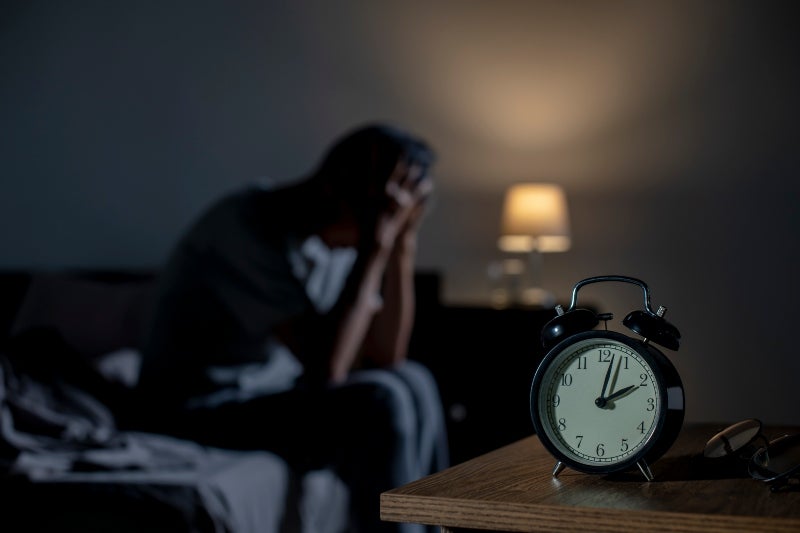
A sleep disorder is a medical condition that affects sleep quality, timing, or duration, leading to daytime fatigue and decreased functioning. To be diagnosed, a sleep disorder must interfere with your ability to fall asleep, stay asleep, or achieve restorative sleep. Left untreated, sleep disorders can negatively affect mental and physical health, work performance, and relationships.
Signs & Symptoms of Sleep Disorders
It’s not always obvious when poor sleep patterns cross the line into a medical condition. Here are some common symptoms of sleep disorders to watch out for:
- Regular difficulty falling or staying asleep.
- Choking, gasping, or loud snoring at night.
- Feeling unusually fatigued or drowsy during the day.
- Difficulty concentrating, memory problems, or irritability.
- Uncontrolled movements or muscle twitches during sleep.
- Frequent naps or unintended dozing during the day.
Categories of Sleep Disorders
Sleep disorders fall into several categories, depending on their causes and effects. Some of the most common types of sleep disorders and how they can disrupt your rest include:
- Insomnia: Difficulty falling asleep or staying asleep.
- Sleep-Related Breathing Disorders: This includes conditions like obstructive sleep apnea, which restricts airflow during sleep.
- Central Disorders of Hypersomnolence: Abnormal daytime drowsiness or excessive sleepiness, such as narcolepsy.
- Circadian Rhythm Sleep-Wake Disorders: Irregular sleep patterns due to misaligned internal body clocks, as seen in shift work disorders.
- Parasomnias: Unusual behaviors during sleep, including sleepwalking, talking, or night terrors.
- Sleep-Related Movement Disorders: Conditions like restless legs syndrome, where physical movement disrupts rest.
Types of Sleep Disorders
Sleep disorders fall into over 80 various types. Some of the most common types of sleep disorders we treat include:
- Chronic Insomnia
- Obstructive Sleep Apnea
- Narcolepsy
- Delayed Sleep Phase Syndrome
- Shift Work Sleep Disorder
- Restless Legs Syndrome
Causes and Risk Factors of Sleep Disorders
Sleep disorders may arise from biological, lifestyle, and environmental factors. The most common causes of sleep disorders include:
- Medical conditions like chronic pain or respiratory issues.
- Mental health concerns, including anxiety or depression.
- Hormonal changes or imbalances.
- Irregular work schedules like night shifts.
- Overuse of stimulants like caffeine or alcohol.
- Environmental triggers such as noise, light, or discomfort.
Sleep Disorder Treatment
Treating sleep disorders often involves a tailored approach. Individual results may vary, but we do our best to find the sleep disorder treatment that is effective for you. Some sleep disorder treatments include:
- Lifestyle Changes: Your habits around bedtime can have a significant impact on your ability to sleep well. It’s vital to maintain a consistent bedtime routine, create a comfortable sleep environment, and avoid caffeine and heavy meals in the evening.
- Medical Interventions: Prescription medications may help address insomnia, excessive sleepiness, or narcolepsy. Some patients find relief with over-the-counter supplements like melatonin, although these are not FDA-approved medications. Always consult your provider before use.
- Advanced Treatments: Surgical interventions or specialized nerve stimulation devices may be needed for severe cases. This is often the case with complex conditions like sleep apnea.
- Therapeutic Approaches: Cognitive Behavioral Therapy for Insomnia (CBT-I) is often the first-line treatment for chronic insomnia. Other therapeutic solutions include light therapy for circadian rhythm disorders or orofacial exercises to ease sleep apnea symptoms.
- Devices: Devices like CPAP machines (Continuous Positive Airway Pressure) effectively manage obstructive sleep apnea. Custom oral appliances can be used to improve airflow during sleep.
Why Choose Us for Sleep Disorder Treatment?
At SoCal Breathe Free Sinus and Allergy Centers, we specialize in identifying and treating sleep issues with precision and care. Our team includes ENT specialists with experience evaluating and managing sleep-related breathing disorders. We offer patient-centered care designed with your unique needs in mind. You can count on our diagnostics, from sleep studies to advanced evaluation techniques.
FAQs About Sleep Disorders & Treatments in SoCal
Millions of people across the SoCal region struggle with poor rest every single day. At SoCal Breathe Free Sinus & Allergy Centers in Burbank, CA, Our team evaluates sleep-related concerns and discusses diagnostic and treatment options based on each patient’s needs. We offer many solutions aimed at helping you sleep and breathe more easily. Here are the answers to the questions we hear most often from patients looking for real relief.
Start with the basics: try to keep a consistent bedtime and wake-up time, make your bedroom comfortable and quiet, limit caffeine later in the day, and give yourself time to wind down before bed. These habits can help, but they aren’t always enough when an underlying sleep disorder is involved. If you’re still waking up tired or struggling with symptoms, professional sleep disorders treatment in SoCal can help you understand why. Contact us to schedule your evaluation.
Depending on what your diagnostic evaluation reveals, your custom care plan may involve a mix of advanced medical options and targeted treatments, including:
- CPAP Therapy or Oral Appliances: CPAP uses positive airway pressure to help keep the airway open during sleep, while certain oral appliances reposition the jaw or related structures to help reduce airway obstruction in appropriately selected patients
- Inspire Sleep Apnea Therapy: Inspire therapy uses mild stimulation to activate certain airway muscles during sleep in appropriately selected patients with obstructive sleep apnea
Sometimes, yes. Snoring doesn’t always mean you have a sleep disorder, but loud, frequent snoring can be a warning sign of obstructive sleep apnea.
Your visit starts with a detailed review of your medical history and sleep habits. Our team discusses your symptoms and determines if diagnostic testing is needed. Because nasal or upper-airway obstruction may contribute to sleep-related breathing symptoms in some patients, your provider may evaluate potential structural factors such as:
- A deviated septum obstructing airflow
- Chronic nasal congestion and severe allergies
- Persistent sinusitis or nasal polyps narrowing airways
Sleep apnea can cause repeated disruptions in sleep, which may contribute to excessive daytime sleepiness, fatigue, and difficulty concentrating.
Some sleep disorders do become more common with age, but ongoing sleep problems aren’t something you simply have to accept as part of getting older.
There are a number of factors that can influence your risk of having a sleep disorder, including:
- Excess weight or a narrow airway
- Family history of sleep apnea
- Aging and hormonal changes
- Chronic nasal congestion or allergies
Yes. Poor sleep can affect much more than your energy level. You might notice that you’re more forgetful, have trouble concentrating, or feel unusually irritable or overwhelmed. That familiar “brain fog” can sometimes be connected to an underlying sleep disorder.
Yes, it might. When you aren’t getting the restful sleep your body needs, it can be surprisingly difficult to get through the day. You may have trouble staying focused during a meeting or class, feel like you’re running on empty, or find yourself fighting sleep while driving. If daytime sleepiness is becoming a regular problem, it may be time to find out what’s keeping you from sleeping well.
A home sleep test allows you to monitor certain aspects of your sleep from home. Depending on the test used, home sleep testing may collect information such as breathing patterns, oxygen levels, heart-rate-related data, snoring, or other sleep-related measurements while you rest.
An in-lab sleep study is performed at a sleep center and allows for more detailed monitoring. Your provider will determine which type of evaluation is appropriate based on your symptoms and medical history.
Schedule a Consultation for Sleep Disorder Treatment
Don’t suffer through one more night of a sleep disorder. SoCal Breathe Free Sinus and Allergy Centers will evaluate your symptoms, lifestyle, health, and sleep habits. After we diagnose any sleep disorder issue, we’ll determine the most effective treatment fit for you. Schedule a consultation to explore clinical options that may help improve your sleep quality.