What to Expect from Septoplasty Recovery in Burbank, CA
How do I know if my breathing issues are caused by a deviated septum?
A deviated septum occurs when the thin wall (nasal septum) between your nasal passages is displaced to one side. This can make one nasal passage smaller, causing breathing difficulties. Common signs that your breathing problems might stem from a deviated septum include:
- Chronic nasal congestion
- Difficulty breathing
- Frequent nosebleeds
- Recurrent sinus infections
- Facial pain
- Noisy breathing
Will septoplasty change the appearance of my nose?
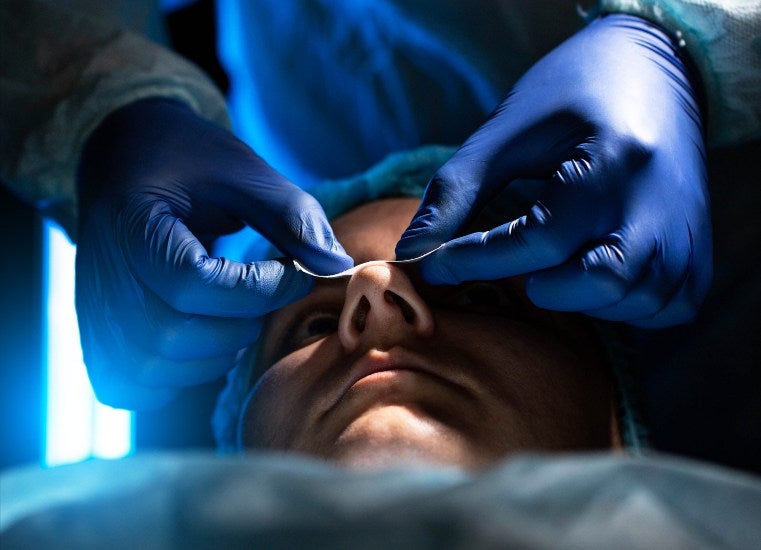
A frequent concern for patients considering this procedure is whether it will alter the look of their nose. A standard septoplasty is performed inside the nose and focuses on straightening the septum to improve airflow. Its primary goal is functional, not cosmetic. Therefore, a septoplasty alone does not change your nose’s external shape or appearance. If you are interested in changing the appearance of your nose in addition to correcting your breathing, a different procedure called a septorhinoplasty may be an option. However, talk with a board-certified specialist to determine which options are medically appropriate for your goals.
What should I avoid before and after the procedure?
Proper preparation and aftercare are essential for a smooth septoplasty recovery. Here are key guidelines to follow:
- Before Surgery: To reduce bleeding risks, avoid certain medications like aspirin, ibuprofen (Advil, Motrin), and blood-thinning supplements about two weeks before the surgery. Your surgeon will provide a detailed list. Also, stop smoking and alcohol consumption, as they can interfere with anesthesia and hinder healing. It’s best to refrain from these a few weeks before and after the surgery.
- After Surgery: Refrain from blowing your nose during the first week to allow tissues to heal properly. Avoid strenuous activities, such as heavy lifting or intense exercise to prevent complications. Limit wearing heavy glasses to prevent pressure on the bridge of your nose while healing. Recovery experiences vary, so be sure to consult your doctor to determine how long your healing time will take.
As with any surgical procedure, septoplasty carries potential risks, including bleeding, infection, or changes in nasal sensation. Talk to your doctor to determine if this procedure is appropriate for you.
How soon can I return to work or daily activities after septoplasty?
The recovery time after septoplasty varies from person to person. Many patients feel ready to return to a desk job or school. However, you should consult your doctor on when the best time is to resume all activities. During the initial septoplasty recovery period, you can expect some swelling, mild discomfort, and nasal congestion. Your surgeon will provide specific instructions to stay on top of these symptoms and ensure a smooth healing process.
What lifestyle changes can help maintain the results of septoplasty?
Septoplasty offers a long-term solution for breathing problems caused by a deviated septum. To support your recovery and maintain the benefits, consider these simple lifestyle adjustments:
- Elevate your head while sleeping: Sleeping with your head propped up on extra pillows for the first few weeks after surgery can help reduce swelling.
- Use a humidifier: Keeping the air in your home moist can prevent your nasal passages from drying out, which is especially helpful during the healing phase.
- Stay hydrated: Drinking plenty of water helps thin mucus and promotes healing.
- Follow your doctor’s aftercare instructions: Diligently following instructions for nasal sprays or rinses will help keep your nasal passages clean and support a successful outcome.
SoCal Septoplasty FAQs
If you’re considering septoplasty, you probably have a lot of questions about what the procedure is actually like. How long will you be in surgery? Will recovery hurt? And when can you finally expect to breathe through your nose again? Our team at SoCal Breathe Free Sinus & Allergy Centers has seen it all. Here are some of the questions we hear most often about septoplasty and recovery.
Most people can expect some congestion, swelling, and discomfort at first, followed by gradual improvement in nasal breathing as the nose heals. Your ENT will provide specific instructions to help you have a smooth recovery and know what’s normal and what symptoms warrant a call to our office. If you’re considering septoplasty in SoCal, our team can help you understand what to expect before deciding if treatment is right for you.
Time away from work or school varies. Some patients may be able to resume certain routine activities within about a week, while others may need more time. Follow your surgeon’s individualized activity restrictions.
Blowing your nose too early may increase pressure within the nose and could interfere with healing or increase the risk of bleeding. Follow your surgeon’s instructions about when it is safe to resume.
Ask your surgeon when it is appropriate to resume wearing glasses or sunglasses, particularly if other nasal procedures were performed at the same time.
Because the procedure is performed entirely inside your nostrils, external bruising is not typically expected after an uncomplicated standard septoplasty, although postoperative experiences vary.
Standard septoplasty primarily addresses internal nasal structures and generally is not intended to change the external appearance of the nose.
No. Although the procedures can overlap in some cases, septoplasty primarily addresses the nasal septum, while rhinoplasty changes nasal structure and may be performed for cosmetic, reconstructive, or functional reasons. A rhinoplasty is designed to change the external look of the nose. They can, however, be combined if requested.
Nasal breathing may gradually improve as postoperative swelling decreases. The timing and degree of improvement vary. Your airways will feel blocked for the first few days due to normal swelling or internal splints.
Septoplasty is intended to straighten or reposition portions of the nasal septum. Long-term results vary, and nasal symptoms may persist or recur.
Septoplasty is commonly performed, but like any surgical procedure, it carries potential risks. These may include bleeding, infection, changes in sensation, decreased sense of smell, scarring, or a perforation in the septum. Serious complications are uncommon, but your ENT specialist will review the risks and benefits with you before treatment.
Most patients describe the recovery as a dull, heavy ache rather than sharp pain. Your nose may feel especially stuffy during the first few days because of normal swelling. Following your provider’s recovery instructions can help you stay comfortable while you heal.
Septoplasty typically takes about 30 to 90 minutes, depending on the complexity of the procedure and whether anything else needs to be addressed at the same time. It’s usually performed on an outpatient basis, so you can go home the same day.
How Can SoCal Breathe Free Help You in Burbank?
At SoCal Breathe Free Sinus Allergy, we are dedicated to offering personalized care tailored to your unique needs. Our team of specialists uses advanced diagnostic tools to thoroughly assess your condition and determine if septoplasty is the right solution for you. We take the time to develop customized treatment plans that may help address the underlying causes of your sinus issues. Many patients may experience symptom improvement; however, results vary depending on individual health conditions and adherence to post-op care. Contact us today to schedule your appointment.
This content is for informational purposes only and does not constitute medical advice. Please consult your physician for a personalized diagnosis and treatment plan.