Rhinoplasty Functional Considerations
Considerations for Functional Rhinoplasty in Burbank, CA
Many individuals who come to SoCal Breathe Free Sinus & Allergy Centers struggle with nasal breathing. While inflammation from conditions like sinus infections and nasal allergies plays a role, underlying structural issues in the nose can also be significant. In the Burbank, CA area, many patients explore functional rhinoplasty to improve appearance and to enhance airflow and nasal function. Frequent structural causes of blockage include a deviated septum (the wall between the nostrils), enlarged turbinates (the internal structures that help filter air), weakening or collapse of the outer nasal wall when breathing in, and markedly crooked nasal bones. Functional rhinoplasty may help address structural concerns contributing to nasal obstruction.
Functional Considerations in Rhinoplasty Procedures
When planning functional rhinoplasty, medical professionals like SoCal Breathe Free Sinus & Allergy Centers focus on how well the nose moves air, not just how it looks. We evaluate septal deviation, turbinate size, valve collapse, and the strength of cartilage support to see whether the structure is actually blocking airflow. If these issues clearly correlate with symptoms like obstruction, snoring, or mouth breathing, functional rhinoplasty may be considered as a treatment option. Surgeons then design a plan to straighten the septum, reduce or reposition turbinates, and reinforce the internal and external nasal valves. Our goal is to help improve airflow while preserving or enhancing nasal structure.
Rhinoplasty for Breathing Improvement
Functional rhinoplasty focuses on improving how the nose works, particularly airflow and the nose’s ability to warm and humidify the air you breathe. In many cases, it is combined with septoplasty, which straightens a deviated septum, the internal wall separating the nostrils, to open the nasal passages more effectively. When structural problems block normal airflow, people may notice long-term congestion, reliance on mouth breathing, reduced exercise tolerance, or sleep issues tied to nasal obstruction. Although septoplasty can help by correcting the septum, some patients also have weak, narrow, or collapsing nasal valves that demand additional support. Functional rhinoplasty may help address these issues by reinforcing nasal structures that contribute to airflow. Common structural problems suggesting a need for functional septorhinoplasty include:
- Deviated septum
- Valve collapse
- Turbinate enlargement
- Changes after nasal injuries or earlier surgeries
Medically Necessary Rhinoplasty Explained
Medically necessary rhinoplasty refers to nose surgery performed primarily to correct health problems instead of aesthetic concerns. Medical professionals may consider functional rhinoplasty for patients with structural issues affecting breathing. These issues may include a markedly deviated septum, nasal valve collapse, or enlarged turbinates that haven’t improved with medication or allergy treatment. Rhinoplasty may also be considered medically necessary after nasal trauma, fractures, or congenital deformities that distort the nose and obstruct airflow. In these cases, surgeons focus on improving nasal function and addressing structural issues contributing to symptoms.
Deviated Septum Correction During Rhinoplasty
During rhinoplasty, surgeons can correct a deviated septum by reshaping and repositioning the cartilage and bone that form the wall between the nostrils. This method is intended to help improve airflow through the nasal passages. Surgeons carefully remove or trim crooked segments, straighten them, and secure the septum in a midline position while preserving support for the bridge and tip. Rhinoplasty is usually considered when the deviation is significant enough to cause persistent nasal blockage, frequent sinus infections, mouth breathing, or sleep disruption. These conditions warrant this procedure, especially when medications and other conservative treatments have not provided adequate relief.
Airway-Focused Rhinoplasty Techniques
Airway-focused rhinoplasty centers on improving how well you breathe, not just how your nose looks. The medical team at SoCal Breathe Free Sinus & Allergy Centers takes time to explain each option, answer questions, and design a plan tailored to your specific nasal and sinus concerns. Below, we’ve described some airway-focused rhinoplasty techniques:
- Straightening a deviated septum to create smoother airflow through both nasal passages
- Reducing or reshaping enlarged turbinates while preserving their normal function
- Reinforcing weak internal nasal valves to prevent collapse when you inhale
- Supporting or rebuilding the outer nasal sidewalls to keep the airway open
- Combining structural correction with subtle cosmetic refinements when appropriate
Balancing Functional Results With Nasal Structure
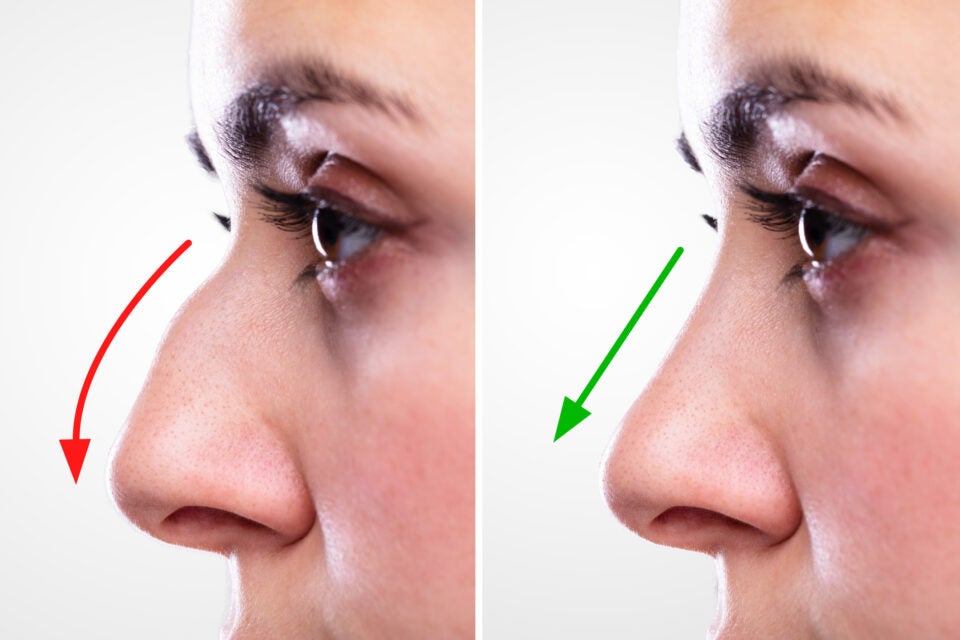
Although functional nasal surgery is primarily designed to improve airflow and breathing, it can also influence how the nose looks. For many people, this creates an opportunity to subtly reshape nasal contours and support cosmetic refinements based on the patient’s treatment goals. A skilled surgeon uses a dual-focused approach, combining internal structural correction with external shaping with the goal of improving nasal structure and supporting airflow. Possible aesthetic improvements can include the following:
- A smoother, straighter nasal bridge
- More balanced nasal symmetry
- A more defined and appropriately projected tip
- Improved harmony between the nose and surrounding facial features
Who’s a Candidate for Functional Rhinoplasty?
It takes a skilled medical professional like the doctors at SoCal Breath Free Sinus & Allergy Centers to evaluate a nasal or sinus condition and determine if functional rhinoplasty is a suitable treatment. Good candidates for septoplasty or functional septorhinoplasty may fit any of the following situations:
- Experience ongoing nasal blockage or rely on mouth breathing
- Find breathing hard during sleep or exercise
- Have had a past nasal injury or a noticeable nasal deformity
- Feel unhappy with your nose’s shape or alignment
- Prefer to improve breathing and appearance with one combined procedure
Choosing Functional Rhinoplasty Care in Burbank
SoCal Breathe Free Sinus & Allergy Centers is ready and willing to address your breathing issues and other nasal and sinus conditions with surgical and non-surgical solutions. We’ll examine your medical condition and evaluate all the details to determine appropriate treatment options based on your symptoms, anatomy, and treatment goals, including functional rhinoplasty. Reach out to us today for more information and to speak with our team about your current sinus condition.