
Fungal Sinusitis
Fungal Sinusitis Treatment in Burbank, CA
Fungal sinusitis is a complex condition caused by fungal infections or allergic reactions in the sinuses. Though not as common as bacterial sinusitis, fungal sinusitis can range in severity from mild to life-threatening, depending on the type and individual circumstances. Understanding the different types, their causes, symptoms, and treatment options is essential for effective management. SoCal Breathe Free Sinus & Allergy Centers specializes in diagnosing and treating fungal sinusitis in Burbank, CA. Contact us to learn more.
Types of Fungal Sinusitis
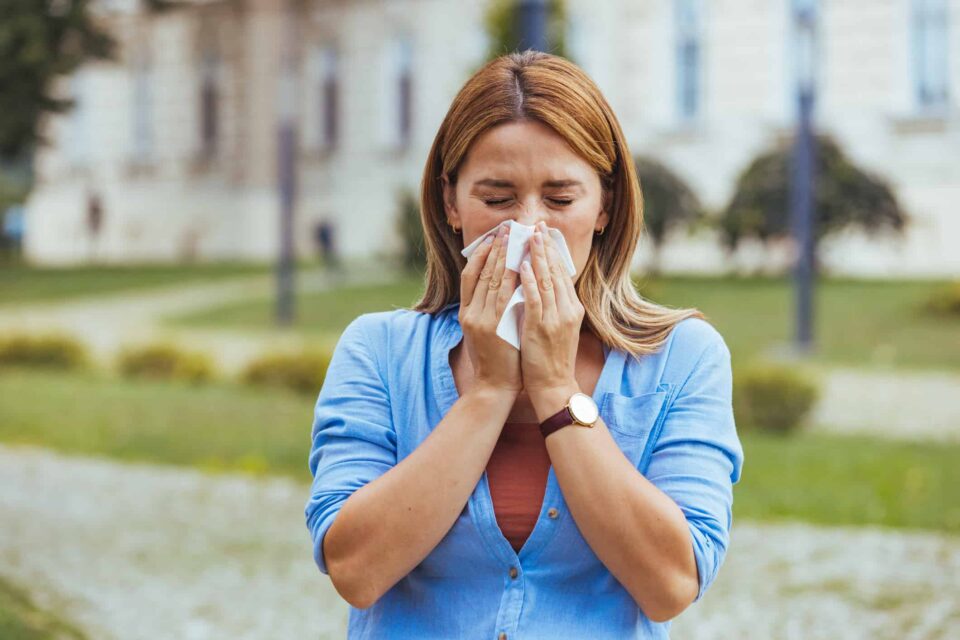
Fungal sinusitis presents in several forms, which are classified into the two main categories of non-invasive and invasive. The most common forms of non-invasive fungal sinusitis include:
- Allergic Fungal Rhinosinusitis (AFRS) – A common form found in individuals with a history of allergic reactions. Caused by a hypersensitive immune response to fungal spores, it often results in chronic inflammation and nasal polyps.
- Mycetoma (Fungal Ball) – A localized infection where fungal debris forms a dense ball in the sinus cavity. This form does not invade the tissue but can cause symptoms like nasal discharge and obstruction.
The most common forms of invasive fungal sinusitis include:
- Acute Invasive Fungal Sinusitis – A rare but severe condition that progresses rapidly, often in immunocompromised individuals. Fungi invade the sinus tissues, leading to life-threatening complications if untreated. While rare, some forms of fungal sinusitis require hospital-based care. We evaluate and treat many non-invasive or allergic types in our clinic.
- Chronic Indolent Fungal Sinusitis – Commonly found in subtropical climates, this form progresses slowly over weeks or months, causing inflammation and gradual tissue damage.

Causes of Fungal Sinusitis
Fungal sinusitis occurs when the body’s immune response is either compromised or overly sensitive to fungal spores found in the environment. Factors that increase susceptibility to fungal sinusitis include:
- Compromised immune systems
- Chronic allergic conditions that lead to inflammation of nasal and sinus tissues
- Long-term use of antibiotics or corticosteroids which disrupt the immune balance
- Exposure to humid or moldy environments where fungal spores thrive
Symptoms of Fungal Sinusitis
Symptoms can vary widely based on the type of fungal sinusitis. The most common fungal sinusitis symptoms include:
- Nasal congestion and blockage
- Thick nasal discharge
- Facial pain or pressure, particularly around the sinuses
- Headache or eye pain
- Loss of sense of smell
- Persistent fever
- Swelling or redness around the eyes or cheeks
How to Treat Fungal Sinusitis
The treatment of fungal sinusitis depends on the specific type and severity of the condition. It’s essential to note treatment results may vary. The most common treatments for fungal sinusitis include:
- Antifungal Drugs – Antifungal drugs are used for invasive types and can be administered orally or intravenously.
- Corticosteroids – Corticosteroids may help reduce inflammation in cases like AFRS.
- Saline Irrigation – Saline irrigation involves using a saline solution to flush the sinuses and clear out mucus and irritants.
- Comprehensive Care – Individuals with invasive fungal sinusitis require multidisciplinary care, including infectious disease specialists and ENT surgeons.
- Lifestyle Modifications – Avoiding moldy or damp environments can minimize exposure to fungal spores.
- Sinus Surgery – Surgery may also be performed to drain the sinuses and improve airflow in AFRS or invasive cases.
- Endoscopic Sinus Surgery – Endoscopic Sinus Surgery is often necessary to remove fungal debris in cases of mycetoma or chronic types.
- Allergy Management – Patients with allergic fungal rhinosinusitis often benefit from ongoing allergy management, including immunotherapy or nasal sprays.
Why Choose Us for Fungal Sinusitis Treatment?
SoCal Breathe Free Sinus & Allergy Centers provide high-quality, friendly care for sinus and allergy relief. If you’re experiencing persistent sinus symptoms, our experienced physicians can help determine the underlying cause and discuss effective treatment options. We can perform a sinus assessment to determine the cause and severity of your sinus issues. Trust us to take care of you.
FAQs About Fungal Sinusitis in SoCal
These FAQs cover some of the most common questions about fungal sinusitis, from risk factors and symptoms to treatment and prevention. If you’re in Burbank, CA, SoCal Breathe Free Sinus & Allergy Centers can help you get a clearer understanding of what’s behind your sinus symptoms and what treatment options may be right for you.
An ENT evaluation can help determine whether fungal sinusitis or another condition may be contributing to your symptoms and what treatment options may be appropriate. For residents in and around Burbank, CA, our ENT team at SoCal Breathe Free Sinus & Allergy Centers can evaluate persistent sinus symptoms using methods that may include nasal endoscopy and CT imaging. Depending on the findings, additional testing may be needed to determine the diagnosis and appropriate treatment. Contact us today to schedule an evaluation.
Fungal sinusitis generally does not spread from person to person. Different forms of fungal sinus disease develop through different mechanisms, including allergic inflammation, noninvasive fungal growth, and invasive infection.
Nasal endoscopy and CT imaging may provide information about the sinuses. Additional evaluation or testing may be needed to determine the diagnosis.
Treatment depends on the type and severity of fungal sinusitis and may involve medication, surgery, or other management. An ENT evaluation is necessary to determine the appropriate approach.
There is no guaranteed way to prevent fungal sinusitis. Fungi are naturally present in the environment, so avoiding all exposure is not realistic. However, managing underlying sinus inflammation, allergies, and other conditions that affect the nasal passages may help reduce your risk.
Certain forms of fungal sinusitis can cause significant complications, including nasal polyps, if untreated. The risks vary substantially depending on the type of fungal disease and the patient’s health.
Fungal and bacterial sinus conditions can produce overlapping symptoms, so distinguishing between them generally requires clinical evaluation.
Yes. Allergic inflammation can contribute to swelling and impaired sinus drainage. Allergic fungal rhinosinusitis involves an inflammatory response to fungi in susceptible individuals. This can trigger Allergic Fungal Sinusitis (AFS), where your body overreacts to the trapped fungi, creating thick tissue and nasal polyps.
While anyone can get a sinus infection, certain things can make you a much easier target for fungi. You are generally at a higher risk if you fall into these groups:
- Weakened Immune Systems: If you are going through chemotherapy, managing diabetes, or taking immunosuppressants, your body has a harder time fighting off aggressive strains.
- Chronic Respiratory Issues: Certain underlying respiratory, inflammatory, or structural conditions may be associated with particular forms of fungal sinus disease.
- Severe Allergy Sufferers: Constant swelling from allergies creates the perfect setup for fungi to take root.
- Living in High Humidity: Spending a lot of time in damp, mold-heavy environments means you are simply inhaling a lot more spores every day.
A fungal sinus infection develops when tiny fungal spores from the air enter the nose and grow inside the sinuses, with the exact causes, risks, and severity varying widely depending on the specific type. This is not a comprehensive list, but the main types and causes include:
- Allergic Fungal Rhinosinusitis: Triggered by an immune system overreaction to normal environmental fungi, creating thick mucus plugs in people with allergies.
- Fungal Ball (Mycetoma): A noninvasive accumulation of fungal material within a sinus, often occurring in otherwise immunocompetent individuals.
- Invasive Fungal Sinusitis: An aggressive, severe infection where fungi grow directly into the sinus tissue, primarily affecting people with severely weakened immune systems or poorly controlled diabetes.
Contact Us to Schedule Your Consultation Today
SoCal Breathe Free Sinus & Allergy Centers uses innovative diagnostic methods to meticulously assess your situation to pinpoint an accurate diagnosis and craft individualized treatment strategies. Our team is committed to developing personalized plans that may help improve your sinus-related symptoms. Reach out to us today to arrange a consultation and embark on your journey to enhanced health.
Disclaimer: Individual results may vary. Treatment effectiveness depends on a patient’s specific medical history and diagnosis. No guarantees of symptom relief or outcome are implied. Always consult with a qualified healthcare provider to determine the best treatment plan for your needs.